Consider the common experience: a train inexplicably halts due to traffic congestion on the rails, an issue often known in advance yet seemingly unaddressed by proactive measures. This anecdote, while minor, highlights a pervasive problem. What if technology could move beyond predicting known slowdowns and actively prevent the unknown events, such as collisions, equipment failures, human errors, that lead to catastrophic outcomes on trains, buses, vessels, and trucks, and not just locally, but on a global scale?
The financial toll of these incidents is staggering. In the United States alone, the Federal Railroad Administration (FRA) reports annual losses of approximately $3 billion due to rail-related deaths and an additional $650 million from non-fatality incidents. These figures are for rail transport alone and represent just a fraction of the total economic impact across all modes of transport. Beyond the economic losses, the human cost is immeasurable. This includes lives lost, injuries sustained, and the profound ripple effect on families and communities. When considering all vehicular crashes, the annual economic cost in the U.S. can reach hundreds of billions of dollars, with societal harm extending into the trillions. This isn’t abstract accounting; these costs are ultimately absorbed by consumers through fares, insurance premiums, and taxes, creating a hidden “crash tax” that affects everyone.
The good news is that the solutions to these profound challenges are not a distant dream. They are, in fact, readily available. The answer lies in the strategic and widespread application of the Internet of Things (IoT) tools and technologies. IoT, at its core, involves a network of interconnected devices that collect and exchange data, offering unprecedented visibility and control over physical assets. When applied to transportation, this translates into a powerful framework for enhanced safety and operational efficiency.
Imagine a world where sensors embedded in tracks and vehicles constantly monitor critical parameters: vibrations, temperature changes, wear patterns, and even driver behavior. This real-time data, processed by intelligent systems, can detect anomalies and predict potential failures before they occur. This concept, known as predictive maintenance, is a game-changer. Instead of reacting to breakdowns, maintenance can be scheduled proactively, minimizing downtime, extending the lifespan of assets, and drastically reducing the risk of accidents caused by mechanical failure.
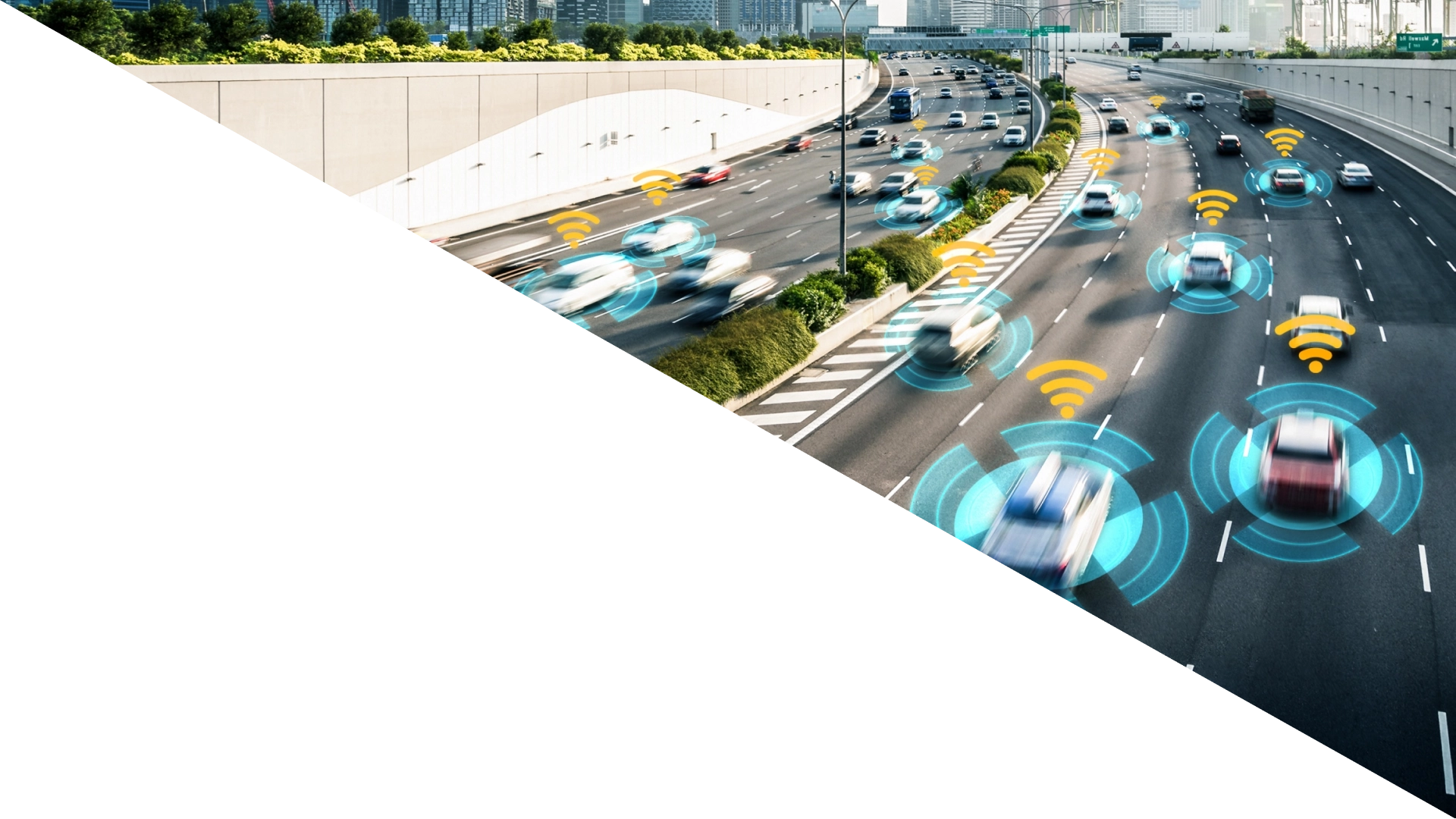
Beyond maintenance, IoT empowers transportation networks with superior situational awareness. Real-time traffic data, combined with information from vehicle-to-everything communication systems, can provide drivers and operators with immediate alerts about road hazards, congestion, and even vulnerable road users. Smart signaling systems can track train locations and speeds, adjusting movements to maintain safe distances and prevent collisions. In an emergency, real-time data can expedite the response of emergency vehicles by dynamically adjusting traffic signals along their route.
The benefits extend to optimizing routes, reducing fuel consumption, and improving overall fleet management. By analyzing patterns in traffic, weather, and demand, predictive analytics can suggest the most efficient routes, minimize idle times, and help allocate resources more effectively. This not only cuts operational costs but also contributes to environmental sustainability through reduced emissions. For public transit, real-time passenger flow data can optimize schedules, reduce waiting times, and improve the overall commuter experience, encouraging greater reliance on safer, more sustainable modes of transport.
The potential for impact is immense. Even a conservative estimate suggests that a 20% reduction in transportation incidents globally, achieved through enhanced technology, could translate into billions of dollars in annual savings. These are not speculative figures but tangible financial gains that would directly benefit consumers, businesses, and governments. The technologies required are mature and ready for deployment. They include robust IoT sensors, advanced data analytics platforms, and secure communication networks.
We must prioritize the intelligent transformation of our transportation infrastructure. This isn’t just about technological advancement; it’s about safeguarding lives, enhancing economic stability, and fostering a more reliable and efficient future for everyone.
For those interested in exploring these solutions further or partnering to bring truly intelligent technology to mass transit, there are companies dedicated to this vision. Among them is Wifinium. We offer critical, commercial-grade wireless solutions that underpin the advanced IoT systems needed for modern transportation. Our tailored and innovative wireless solutions provide limitless, fast, affordable, and reliable wireless access with a commitment to maintaining near-perfect uptime for monitored devices.